Source Mirror Polished Garden Border Mould for Landscaping, Driveways, and Walkways
Compare 30 listings for mirror polished garden border mould from verified Chinese manufacturers. Buyers can evaluate specifications like P20h steel, hot runner systems, and multi-cavity designs for durable concrete formwork applications; compare the available evidence and request quotations based on your requirements.
Key considerations
Products List








Comprehensive Sourcing Guide
Mirror Polished Garden Border Mould Sourcing Guide
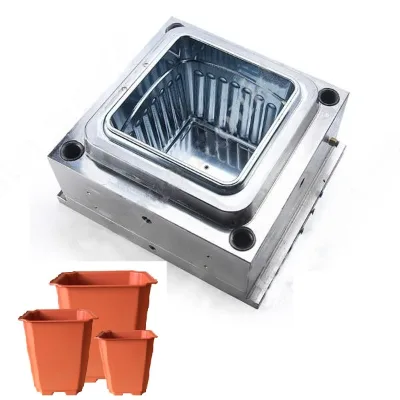
Sourcing high-quality injection moulds for garden borders requires a clear understanding of the specific manufacturing processes and material properties involved. The term "mirror polished" refers to a surface finish process that ensures the final plastic product has a smooth, glossy appearance, which is critical for aesthetic garden components. Buyers must distinguish between moulds designed for plastic injection and those for concrete, as the application dictates the steel type and cavity design. This guide focuses on the technical and commercial aspects of procuring these specialised tools, ensuring that procurement teams can make informed decisions based on verified supplier capabilities rather than marketing claims.
The procurement landscape for these moulds is diverse, with suppliers offering various customization options and standard configurations. Key attributes such as multi-cavity designs and hot runner systems significantly impact production efficiency and part quality. Understanding the difference between fixed installation moulds and those with specific shaping modes is essential for aligning the purchase with existing production lines. This section outlines the fundamental scope of available products, highlighting the importance of verifying design software compatibility and standard compliance to ensure seamless integration into manufacturing workflows.
Product Scope and Observed Listing Signals
The market for garden border moulds includes a wide range of products, from commodity-grade plastic injection moulds to specialised concrete formwork solutions. Observed listings indicate a price range that varies significantly based on complexity, with some basic units starting at low costs while high-precision multi-cavity moulds command higher prices. Buyers should note that the observed minimum order quantity (MOQ) can be as low as one piece, allowing for prototyping or small-batch production, while larger orders may benefit from economies of scale. It is crucial to verify whether the listed price includes the mould design, testing, and initial samples, as these costs can vary widely among suppliers.
Product attributes such as "customized" and "available" suggest that many suppliers offer tailored solutions to meet specific design requirements. The use of design software like UG indicates a level of technical sophistication in the mould design process, which can improve accuracy and reduce lead times. Additionally, the presence of hot runner systems from brands like Yudo or Sure suggests a focus on high-volume production efficiency. Buyers should carefully review the product descriptions to determine if the mould is intended for plastic injection or concrete casting, as the material and application requirements differ substantially between these two categories.
Technical Specifications to Verify
When evaluating technical specifications, the mould steel type is a primary consideration, with options like P20h, 718h, and H13 offering different balances of hardness, wear resistance, and polishability. The choice of steel directly impacts the mould life, which can range from 1000 shots for simpler applications to one million shots for high-precision plastic injection moulds. Buyers must verify the cavity configuration, as multi-cavity moulds increase output but require more complex cooling and ejection systems. It is also important to confirm the runner type, with hot runners providing better material efficiency and reduced cycle times compared to cold runners.
Surface finish processes, particularly mirror polishing, are critical for achieving the desired aesthetic quality in garden borders. Buyers should request samples or detailed images to verify the surface quality, as the level of polish can affect the demoulding process and the final appearance of the product. Additionally, the 3D format compatibility, such as STP, Step, or IGS, ensures that the mould design can be easily integrated into the buyer’s manufacturing software. Verifying the spare parts availability, including ejectors and water tips, is also essential for maintaining long-term production stability and minimizing downtime.
Compliance and Safety Documentation
Compliance with international standards is a key factor in selecting a reliable mould supplier. While ISO certification is a common indicator of quality management systems, buyers should verify the specific scope of the certification to ensure it covers the relevant manufacturing processes. The DME standard is often referenced in mould component specifications, indicating a level of industry acceptance for standard parts. Buyers should request documentation that confirms the supplier’s adherence to these standards, as well as any additional certifications that may be required for their specific market or application.
Safety documentation is equally important, particularly for moulds used in high-pressure injection processes. Buyers should ensure that the supplier provides detailed safety guidelines for operation and maintenance, including pressure limits and emergency procedures. While some listings mention ROHS compliance, this is more relevant for the final plastic product than the mould itself. However, verifying that the materials used in the mould construction do not contain hazardous substances can be beneficial for environmental and regulatory compliance. Buyers should also inquire about the supplier’s quality control processes and how they ensure consistency in mould performance.
Cost Drivers and Commercial Terms
Several factors influence the cost of garden border moulds, including the complexity of the design, the type of steel used, and the number of cavities. Hot runner systems, while increasing the initial cost, can reduce material waste and improve cycle times, offering long-term savings. Buyers should request a detailed breakdown of costs, including design, manufacturing, testing, and shipping, to understand the total investment required. It is also important to clarify whether the price includes any additional services, such as design modifications or technical support, which can add value to the purchase.
Commercial terms, such as payment methods and delivery times, vary among suppliers. Observed delivery times can range from five to seven days for standard items, but custom moulds may require longer lead times. Buyers should negotiate clear terms for delivery, including penalties for delays and responsibilities for shipping costs. Additionally, the supply ability of the supplier, which can range from 10,000 to 100,000 pieces per month, should be considered to ensure that the supplier can meet the buyer’s production demands. Understanding these commercial terms helps in planning production schedules and managing cash flow effectively.
Supplier Qualification and Quality Control
Supplier qualification is a critical step in the procurement process, involving a thorough assessment of the supplier’s capabilities and track record. Buyers should verify the supplier’s experience in manufacturing moulds for garden borders, as well as their ability to handle custom designs. Requesting references from previous clients can provide insights into the supplier’s reliability and quality of service. Additionally, buyers should assess the supplier’s quality control processes, including inspection procedures and testing protocols, to ensure that the moulds meet the required specifications.
Quality control extends beyond the initial delivery, with buyers needing to establish a framework for ongoing performance monitoring. This includes tracking mould life, maintenance requirements, and any issues that arise during production. Buyers should also consider the supplier’s after-sales support, including the availability of spare parts and technical assistance. Establishing a strong relationship with the supplier can lead to better collaboration and continuous improvement in mould design and manufacturing. Regular communication and feedback loops are essential for maintaining high standards and addressing any issues promptly.
Long-Term Procurement Checks
Long-term procurement success depends on regular reviews of supplier performance and market trends. Buyers should conduct periodic audits of the supplier’s quality control processes and production capabilities to ensure continued compliance with standards. Monitoring changes in material costs and technological advancements can help buyers stay competitive and make informed decisions about future purchases. Additionally, buyers should evaluate the supplier’s ability to innovate and adapt to new design requirements, as this can provide a strategic advantage in the market.
Building a resilient supply chain involves diversifying suppliers and maintaining strong relationships with key partners. Buyers should consider the geographical location of suppliers, such as Taizhou or Henan in China, and the associated logistics costs and risks. Establishing contingency plans for supply disruptions, such as alternative suppliers or safety stock, can mitigate potential risks. Regularly reviewing procurement strategies and aligning them with business goals ensures that the organization remains agile and responsive to changing market conditions.
FAQs
What is the typical mould life for mirror polished garden border moulds?
The typical mould life is approximately 1 million shots for high-quality injection moulds. This durability ensures consistent production of garden border components over extended periods. Some specialized concrete forms may have a lower life of around 1000 times, depending on the material and usage intensity. Buyers should verify specific life expectations with the manufacturer based on their production volume requirements.
Which materials are commonly used for these injection moulds?
Common mould steel materials include P20h, 718h, and H13. These steels are selected for their hardness and wear resistance, ensuring the mirror polish finish remains intact during high-volume production. The choice of steel depends on the specific plastic material being processed and the required lifespan of the mould. Manufacturers often recommend specific grades based on the application's demands.
Can these moulds be customized for specific garden designs?
Yes, customization is available for mirror polished garden border moulds. Buyers can specify unique shapes, sizes, and surface textures to match specific landscape designs. The design software used, such as UG, facilitates precise custom engineering. This flexibility allows for the creation of bespoke garden borders that meet distinct aesthetic and functional requirements for various projects.
What is the standard lead time for production?
The standard delivery time is typically 5 to 7 days for ready-made or standard configurations. For fully customized moulds, lead times may vary based on complexity and current factory schedules. Buyers should confirm specific timelines with suppliers, as production capacity and material availability can influence the final delivery date. Early planning helps ensure timely project completion.
What certifications do these mould manufacturers usually hold?
Manufacturers typically hold ISO certifications, indicating adherence to international quality management standards. This ensures consistent production quality and reliable performance of the moulds. Buyers should request certification documents to verify compliance. While some suppliers may mention other standards, ISO remains the primary benchmark for quality assurance in the mould manufacturing industry.
How is the mirror polish finish achieved on these moulds?
The mirror polish finish is achieved through a specialized surface finish process involving meticulous polishing techniques. This process ensures a smooth, reflective surface that facilitates easy ejection of the plastic parts. The high-quality finish also enhances the aesthetic appeal of the final garden border products. Proper maintenance is required to preserve this finish throughout the mould's operational life.